SEO, But Make It Conversational: What Small Businesses Must Know in the Age of AI & Answer Engines
Posted by admin on Saturday, 8 November 2025 - 17:54
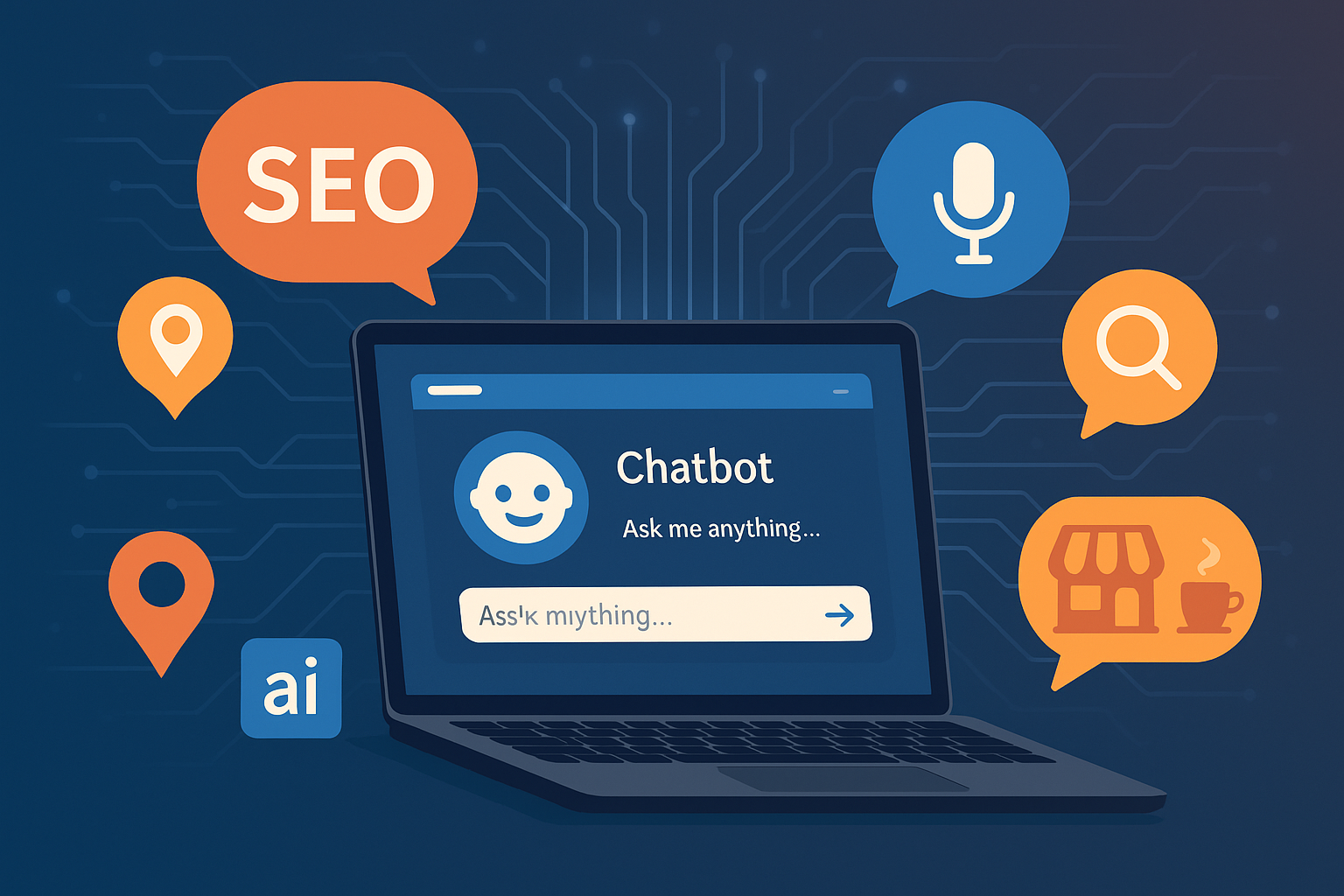
Search engines are no longer just blue links and keyword-stuffed titles — they’ve evolved into intelligent “answer engines.” Whether it’s Google’s AI Overviews, ChatGPT, Bing Copilot, or voice assistants like Alexa and Siri, people are increasingly asking questions conversationally.
And that, my friend, is rewriting the rules of SEO.
For small businesses, this shift may sound intimidating — but it’s actually a golden opportunity. If you understand how to make your content conversational, structured, and voice-friendly, you’ll be future-proofing your online visibility in this AI-driven search landscape.
Let’s break it down.
🧭 The Shift: From “Keywords” to “Conversations”
A decade ago, SEO was simple: pick the right keywords, sprinkle them through your content, and wait for Google to notice. But today, users don’t type like robots — they talk to AI assistants like they talk to a human.
Example:
- Old search: “best bakery Kolkata”
- New search: “Hey Google, where’s the best bakery near me for fresh sourdough bread?”
See the difference? The intent is richer, the phrasing natural — and AI tools are trained to understand meaning, not just matching words.
This means your SEO strategy has to move from being keyword-heavy to intent-focused and contextually natural.
💬 What “Conversational SEO” Really Means
Conversational SEO is about creating content that feels like it’s answering someone’s question — not selling to them. You’re writing for people first, algorithms second.
Here’s how:
- Use natural phrasing: Write like you’re explaining something to a friend, not presenting a corporate report.
- Structure for questions: Headings like “What is…”, “How to…”, or “Why does…” align beautifully with how people talk to AI.
- Include FAQs: These mimic real conversational queries and make your content easy for AI to pick up as an “answer snippet.”
- Be concise and clear: AI engines love clean, structured answers they can quote or summarize.
📣 Voice Search: The Hidden Goldmine
Voice search is quietly dominating — especially for local businesses. According to recent data, over 50% of mobile users rely on voice search for finding local products or services.
So, if you’re a café, yoga studio, or local boutique, optimizing for voice queries can directly bring foot traffic.
How to make your site voice-friendly:
- Use long-tail keywords that sound like spoken language.
- Example: Instead of “affordable catering Kolkata,” use “who offers affordable catering in Kolkata?”
- Optimize for local intent: Add “near me” type phrases naturally in your copy.
- Use structured data (Schema Markup) for location, reviews, business hours, etc. This helps voice assistants fetch your info faster.
📚 Snippet-Friendly Content Wins the Day
AI assistants and search overviews thrive on snippets — those neat little answer boxes you see on Google.
To increase your chance of being “featured,” follow this pattern:
✅ Ask a clear question (H2 heading).
✅ Answer it briefly in 2–3 sentences.
✅ Then elaborate if needed.
Example:
Q: What makes sourdough bread healthy?
A: Sourdough bread is fermented using natural yeast and bacteria, making it easier to digest and lower in gluten than regular bread. It also supports gut health and stays fresh longer.
See? Straightforward, helpful, and AI-friendly.
🧩 Structured Data: The AI Translator of Your Site
Structured data (via Schema.org markup) tells AI exactly what your page is about — like adding labels to your content.
For instance:
- Add FAQ schema to FAQ sections.
- Use LocalBusiness schema for your business details.
- Use Product schema if you sell something online.
- Use Article schema for your blog posts.
It’s not just tech fluff — structured data literally improves how AI engines “see” and interpret your site.
🌐 Optimize for the AI Ecosystem, Not Just Google
Here’s the truth: tomorrow’s search traffic will come from AI chatbots, smart devices, and integrated experiences, not just Google search results.
Your content should be ready to be quoted by:
- Google’s AI Overviews
- ChatGPT or Perplexity when users ask questions
- Voice assistants like Siri or Alexa
How to adapt:
- Write helpful, factual, and up-to-date answers.
- Maintain an active blog answering specific user queries.
- Publish clear, trustworthy content that’s easy to parse.
- Add a human touch — stories, examples, and personal tone help AI recognize authenticity.
🛠️ Practical Tips for Small Businesses
You don’t need a fancy marketing team or huge budget. Start with these simple steps:
- Rewrite your “About” and “Services” pages conversationally.
Talk about what you do in plain English — no jargon. - Add an FAQ section.
Use real customer questions. That’s where AI pulls answers from. - Use headings wisely.
Think of every H2 as a possible search query. - Speed up your site.
AI search tools still use performance as a ranking signal. - Get reviews and testimonials.
Voice and AI engines often highlight businesses with solid user feedback. - Claim your Google Business Profile.
Keep hours, services, and contact info accurate.
🧠 Final Thought
SEO isn’t dying — it’s evolving.
As the internet becomes more conversational, businesses that speak naturally, answer clearly, and build structured, accessible websites will rise to the top.
Think less like a marketer, more like a helpful guide. Because in this new era of AI-driven search, answers are the new currency.
🪙 Bonus: Quick SEO Checklist for the AI Era
✅ Conversational tone, not corporate speak
✅ FAQ & How-To content
✅ Schema markup (FAQ, LocalBusiness, Product)
✅ Long-tail, question-style keywords
✅ Fast, mobile-friendly website
✅ Voice-search optimization
✅ Regular updates with trustworthy info